Design
Designing for the bad days of your users.
The real test of design is not how it works on a good day. It is whether it still holds when the user is stressed, interrupted, overwhelmed, or simply not okay.
Design
Great design often begins before users say anything at all. In the pause, the hesitation, the unspoken discomfort, there is a signal. The best designers do not just study behaviour. They learn to notice what escapes the chart.
Design
Your notebook isn’t just holding your ideas. It’s steering them. Page size, friction, and even how erasable a mark feels can push you toward commitment or endless iteration, clarity or chaos. Change the surface, and you may notice your decisions change first.
EPC Design Events
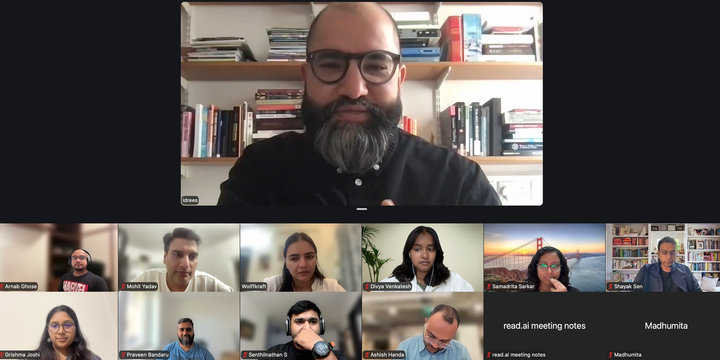
In the age of AI, information spreads fast and flattens even faster. This Unscripted session distils two debates into practical takeaways: keep context in mind when you share, use cognitive diversity to catch blind spots, then converge to ship.
Immersion Programs
I had an opportunity to attend the London Design Festival as part of the Extended Pack Collective's immersion program last year. Through the program, I had the chance to meet many designers and leaders across London. I also visited many design studios and organisations, which sparked a wealth
Immersion Programs
Design adores chairs, but life happens around tables: where we gather, spread ideas, and signal power. This essay offers a lens on what makes a table iconic and how to design one for homes and offices that are constantly shifting.
Designscape
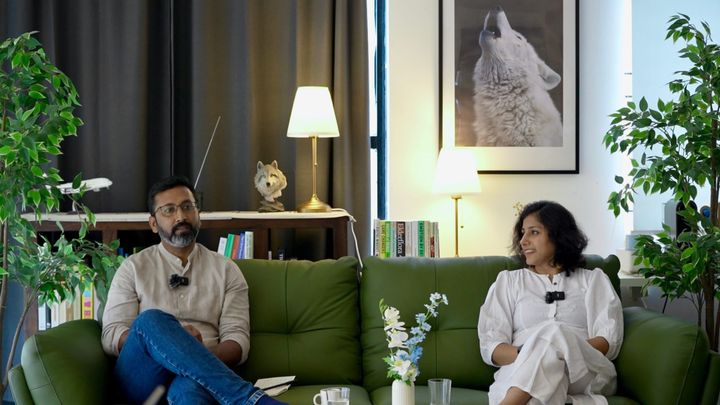
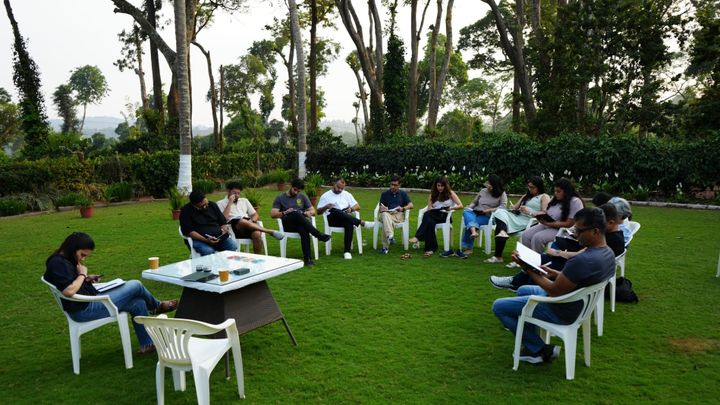
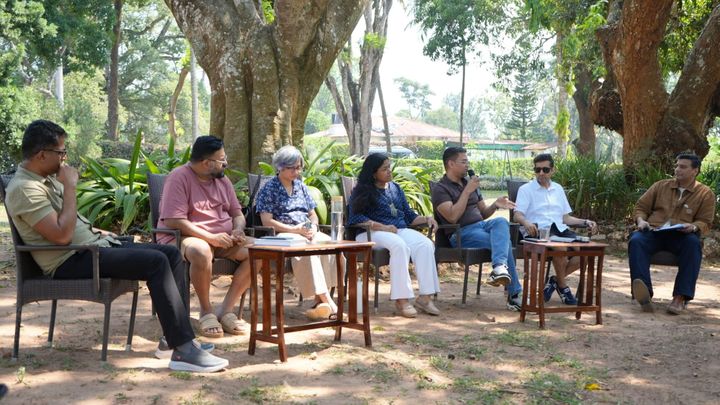
Design is Conditioning, Culture, and Consequences In Jan 2026, the Extended Pack Collective hosted an EPC retreat in Coorg, bringing together 6 Design Leaders and 10 practising designers from across the ecosystem. A vibrant mix that created the kind of energy you can’t manufacture in a meeting room. Design
EPC Design Events
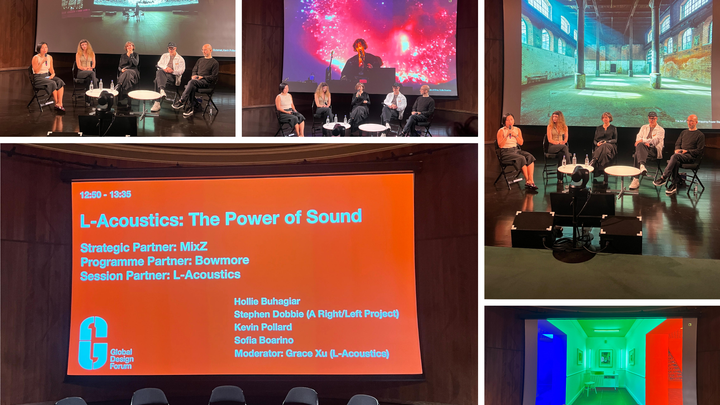
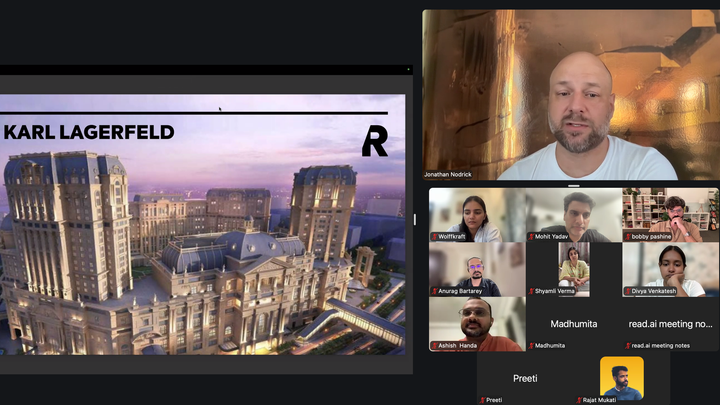
During EPC’s London Immersion Program, a small crew visited Conjure for a deep, high-context session where Founder Sam Clark shared case studies and two decades of lessons on design excellence and running an independent studio.
EPC Dialogues
EPC Dialogues, held in Dubai, brought global designers together to explore The Invisible Edge. These subtle human abilities help designers notice, interpret, and shape meaningful work. This recap distils the talks, panels, and reflections that unfolded through the day.
Design Leadership
Design leadership = Shield → Signal → Shape. Shield teams from noise; signal outcomes beyond UI/UX; shape craft via critique. Drop micromanaging & process dogma; start broadcasting capability and teaching with real work. Leaders need craft fluency + orchestration.
Extended Pack International Compendium(E.P.I.C) is a global design journal that shapes, documents, and distils the collective intelligence emerging from designers worldwide.
Care deeply, but don’t cling. Detachment keeps you adaptable, trusted, and in the game longer than any single design.
Design is evolving fast. Here's what designers and design leaders are saying about where you should put more effort.
Designers from nine diverse organisations came together to reflect on invisible work, career paths, and the balance between impact and mastery.
The best designers slow down. They observe, ask better questions, and notice what others miss. They don’t just solve problems, they seek truths. Design is not about speed or cleverness, but about seeing clearly and making sense of what truly matters.
A tiny matchbox became a powerful design story, blending art, culture, and commerce in just two inches of space. From freedom-era propaganda to global aesthetics, it demonstrates how even seemingly disposable objects can carry lasting meaning and creative impact.
Great designers think big and work small. They can shape strategy and fine-tune pixels. This range from vision to detail is the seven-mile skill. It is what turns ideas into real, usable products that feel right at every level.
Most products are built for when things go right. However, real users encounter errors, slowdowns, and unexpected issues every day. Great design helps them recover, not blame them. That’s how trust is built. Designing for failure is not extra work. It is what makes the experience strong.
Designers see more than what is there. They imagine what could be. Bold ideas may seem strange at first, but belief fuels progress. Design isn’t just vision. It’s turning belief into reality.
Great designers work patiently with the present, while imagining better futures. Real change starts by understanding the company as it is, with all its constraints, people, and processes. Design what exists today, while patiently shaping what could be tomorrow.
Polyvocality means making space for many truths, not just the loudest one. It challenges the rush to clarity and values tension, contradiction, and depth. In a world obsessed with speed and certainty, it invites us to slow down and truly listen.
Gall’s Law states that complex systems that work usually evolve from simpler ones that already function well. For designers, this means starting small, testing often, and letting complexity emerge from real use. Simplicity is not a shortcut but the foundation of something great.
Designing from data refines what’s known; designing to generate data explores what’s unknown. One optimises, the other discovers. Great design balances grounded insight and bold experimentation to create meaningful, resilient outcomes.